
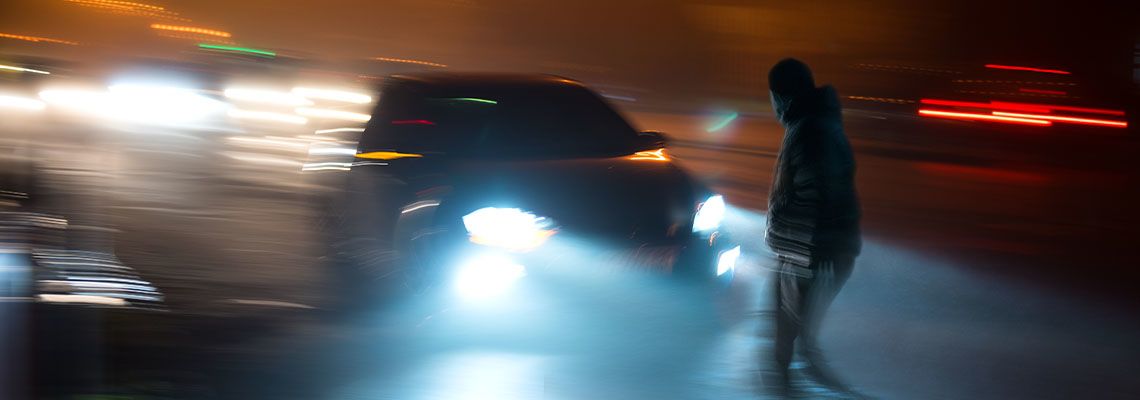
Who Is at Fault in a Pedestrian Accident — the Driver or the Walker?
Getting hit by a car while walking is one of those moments that changes everything in an instant. One second you’re crossing the street or heading into a store, and the next you’re dealing with pain, fear, medical bills, and questions you never expected to ask.
At Faussette and Faussette PLLC, I see how these situations affect real people every day. If you’re trying to figure out who may be at fault and what your options are, reaching out to my firm can be a strong first step toward clarity and peace of mind. I have the knowledge, experience, and resources to help you pursue the compensation you deserve.
From my Phoenix, Arizona, office, I help injured pedestrians throughout Glendale, Peoria, Scottsdale, Goodyear, Avondale, Surprise, Chandler, Gilbert, Mesa, and Tempe.
How Fault Is Determined in a Pedestrian Accident
Fault in a pedestrian accident isn’t automatic, and it isn’t always obvious. Many people assume the driver is always at fault, but Arizona law considers the actions of everyone involved. The key question is whether someone failed to act with reasonable care under the circumstances.
Drivers have a duty to watch for pedestrians, follow traffic laws, and stay alert. Pedestrians also have responsibilities, such as obeying traffic signals and using crosswalks when required. When an accident occurs, investigators and insurers closely examine what each person was doing in the moments leading up to the crash.
This evaluation often includes reviewing police reports, traffic camera footage, witness statements, and physical evidence from the scene. Even small details can affect fault assignment in a pedestrian accident, so these cases should receive careful attention rather than quick assumptions.
When a Driver May Be at Fault
In many pedestrian accident cases, the driver’s actions play a major role. Motor vehicles are powerful, and drivers are expected to operate them with care, especially in areas where people are walking. Some common situations where a driver may be found at fault include:
Speeding through residential areas or busy intersections
Failing to yield at marked or unmarked crosswalks
Distracted driving, including texting or using in-car technology
Driving under the influence of alcohol or drugs
Ignoring traffic signals or making illegal turns
These behaviors increase the risk of serious harm and often form the basis of a pedestrian accident claim. When a driver ignores basic safety rules, the consequences can be devastating for pedestrians. Working with a reliable lawyer can make a real difference for injured pedestrians.
When a Pedestrian May Share Fault
While pedestrians have strong protections under the law, they’re not completely immune from responsibility. There are situations where a pedestrian’s actions may contribute to an accident, which can affect compensation. Here are examples where a pedestrian may share some fault:
Crossing outside of a designated crosswalk when one is available
Ignoring walk signals or crossing against a red light
Stepping into traffic suddenly without giving drivers time to react
Walking while distracted by a phone or headphones
Being impaired by alcohol or drugs while crossing the road
It’s important to note that sharing fault doesn’t automatically block recovery. Arizona follows a comparative fault system, which means you may still recover damages even if you’re partially responsible for a pedestrian accident.
Before assuming you don’t have a case, it’s worth having your situation reviewed. Many injured pedestrians are surprised to learn that the law still allows them to seek compensation, even when fault isn’t one-sided.
How Arizona’s Comparative Fault Rules Affect Your Claim
Arizona law recognizes that accidents often involve more than one mistake. Under comparative fault rules, responsibility is divided based on each party’s percentage of fault. This approach is especially relevant in pedestrian accident cases. To help explain how this works, consider these key points:
Fault is assigned as a percentage to each party involved
Your compensation is reduced by your share of fault
You can still pursue a claim even if you’re mostly at fault
Insurance companies often argue over fault percentages
For example, if you’re found 20% at fault for a pedestrian accident, your compensation would be reduced by that amount. The remaining portion reflects the driver’s responsibility. Having someone on your side who understands these tactics can help protect your interests and push back against unfair blame.
What to Do After a Pedestrian Accident
What you do in the hours and days after a pedestrian accident can affect both your health and your potential claim. Even if you’re unsure about fault, taking certain steps can help preserve important information. Here are some actions that can help protect you:
Seek medical care right away, even if injuries seem minor
Call the police and make sure a report is filed
Take photos of the scene, your injuries, and traffic signals if possible
Get contact information from witnesses
Avoid giving recorded statements to insurance adjusters
Taking these steps creates a clearer record of what happened and how the accident affected you. Medical records, in particular, play a big role in showing the impact of a pedestrian accident on your life. Once you’ve addressed immediate concerns, talking with a legal professional can help you understand your options and decide how to move forward with confidence.
You Don’t Have to Face a Pedestrian Accident Alone
After a pedestrian accident, it’s not just about broken bones or medical bills. It’s about stress, missed work, and the emotional toll of feeling unsafe doing something as simple as walking. You should have support and honest guidance during this time.
At Faussette and Faussette PLLC, my goal is to help you understand your rights, push back against unfair blame, and pursue compensation that reflects the impact of a pedestrian accident.
If you’re ready to talk about what happened and learn how I can help, reach out to me today and take the first step toward moving forward. I work with injured pedestrians from Phoenix, Arizona, and nearby communities, including Glendale, Peoria, Scottsdale, Goodyear, Avondale, Surprise, Chandler, Gilbert, Mesa, and Tempe.